
Improve Sales Route Efficiency While Reducing Overhead
Route Accounting Software
Route accounting software helps distributors manage route-based sales, deliveries, inventory, invoices, payments, and proof of delivery from one system.
inSitu Sales is route accounting software for wholesale distributors, DSD teams, truck sales, van sales, and pre-sales teams that need mobile order taking, real-time inventory, route optimization, GPS tracking, and ERP sync.
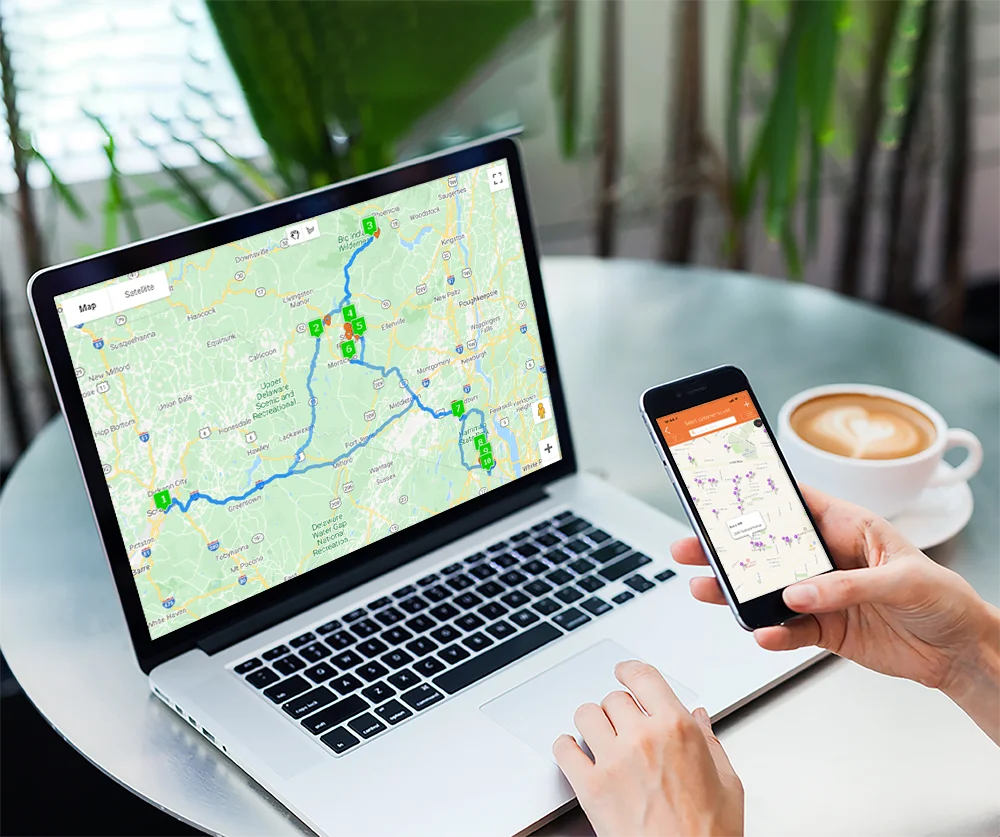
What Are The Benefits Of Route Accounting?
Reduce Wasted Mileage With Route Optimization
QuickBooks is excellent at managing inventory, payments, and invoices, but wouldn’t you like to have all that information on-the-go? inSitu Sales gives you access to one central portal for all your field sales, online storefront, and client information. You can manage everything from invoices to inventory with the simplicity of our route accounting and B2B wholesale platform.
Plays Nice With QuickBooks
Whether you have QuickBooks Desktop or QuickBooks Online, inSitu Sales supports both platforms. Input your account information, and the data will automatically sync between the two platforms.
Granular Data Access
If you don’t want your sales reps seeing every part of the QuickBook data, inSitu lets you choose what users can access. With these granular permissions, you decide which customers or product profiles each sales rep can view and edit.
Offline Mode Built-In
Truck sales may take your team members into areas without reliable cell service. Data is automatically stored and synced when service is available, ensuring your truck inventory stays up-to-date.
Works Across Strategies
We support pre-sales, direct store delivery, truck sales, van sales, and many more common industry sales strategies.
Have more questions? Take a look at the specifics of our QuickBooks field sales integration.
QuickBooks Integrations Details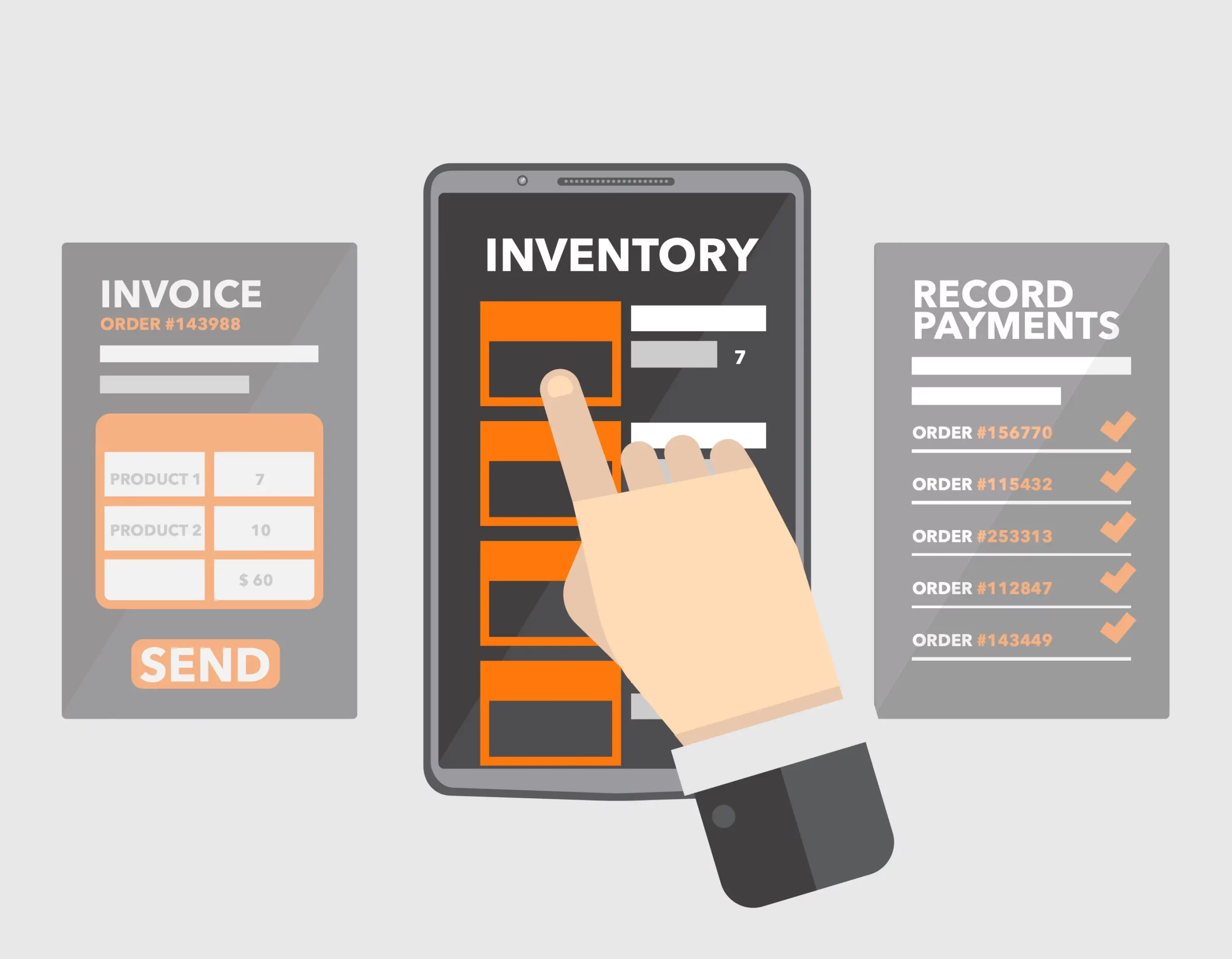
Route Accounting Software Key Features
Our flexible route accounting software makes sales reps’ work easier, so admin teams and outside sales leadership can focus on the strategy. Discover what we can do to help drive your business.
Address Geocoding For Route Planning
Import customers directly onto your map with integration from Quickbooks or Excel. Use shipping or billing info to add your customers’ profiles directly onto the map.
Route Compliance
Real time GPS tracking for your sales reps and drivers. Time-stamped deliveries and invoice submissions help you monitor field performance and stay on schedule.
Multiple Route Optimization
Calculate distance between customers and assign efficient routes with multiple stops. Avoid wasted overhead with optimal time and mileage for deliveries.
Inventory Management
Assign ‘virtual warehouses,’ or individual inventories to reps and drivers for tracking according to routes. Get live updates on inventory in the field after each completed invoice submission.
Can Connect With Sales Analytics Software
Option to use with our enhanced sales analytics software for data driven growth decisions. Export insights for as visualized sales data, or in depth pivot tables.
More On Sales AnalyticsProof Of Delivery
Capture signatures on completed invoices, then, using your customized templates, either email them as PDF’s or print them as physical receipts.
FAQ
What is route accounting software?
Route accounting software helps distributors manage route-based sales and delivery operations in one system. It supports core tasks like route planning, customer visits, invoicing, inventory tracking, proof of delivery, and syncing data back to the office.
Instead of relying on manual processes, sales reps and drivers can update activity in the field while managers keep visibility into performance, deliveries, and inventory movement.
What does route accounting software help distributors manage?
Route accounting software helps distributors manage delivery routes, customer stops, invoices, payments, field inventory, proof of delivery, and rep activity.
It can also help reduce wasted mileage, improve route compliance, and give operations teams live updates on deliveries and
invoice confirmations.
How does route accounting software improve route efficiency?
Route accounting software improves efficiency by helping distributors optimize routes based on time, mileage, inventory, and stop priority.
With route planning tools and GPS-based visibility, teams can reduce wasted travel time, stay on schedule, and make better decisions about how to assign customers and deliveries across the field.
Does route accounting software track inventory in real time?
Yes. Route accounting software can track inventory in real time as products are sold, delivered, returned, or reassigned throughout the day.
This helps distributors maintain better control over truck inventory, route-level stock, and completed invoice activity without waiting for manual
reconciliation at the end of the day.
Can route accounting software support proof of delivery?
Yes. Many route accounting systems support proof of delivery with features like signature capture,
time-stamped invoice confirmation, GPS-based route tracking, and emailed or printed receipts.
This helps create a reliable record of completed deliveries for both the distributor and the customer.
Does route accounting software integrate with QuickBooks or other ERP systems?
Yes. Route accounting software can integrate with systems such as QuickBooks, Fishbowl, Epicor,
Xero, and SAP Business One, helping distributors keep customer, invoice, payment, and inventory data synchronized between field operations and the back office.
ERP sync reduces duplicate data
entry and helps teams work from more accurate information.
Who should use route accounting software?
Route accounting software is a strong fit for distributors and wholesale teams that manage route-based
selling or delivery operations.
It is especially useful for businesses running direct store delivery, truck sales, van sales, pre-sales, and other field sales strategies that require inventory visibility, invoicing, and route execution across multiple customer stops.
How is route accounting software different from basic delivery software?
Basic delivery software usually focuses on dispatch and drop-off logistics, while route accounting
software goes further by connecting routes to invoicing, inventory, payments, customer data, and
operational reporting. For distributors, that means a more complete system for managing both delivery
execution and the financial side of route-based sales.